Get Conduit Installation
Conduit installation services help property owners safely and efficiently run electrical, data, or communication cables through walls, ceilings, or underground for various construction or renovation projects.
Conduit installation is a vital part of many property improvement projects, ensuring that electrical systems are safely and efficiently organized throughout a building. Property owners in the area may explore conduit services to support new construction, upgrades, or renovations, helping to maintain compliance and enhance the overall functionality of their electrical infrastructure. Whether planning a major remodel or a minor update, understanding the options available from local contractors can assist in making informed decisions for your property’s electrical needs.
By comparing services from nearby providers, property owners can find experienced contractors capable of managing conduit installation with attention to safety and quality standards. Access to local experts offers the opportunity to evaluate different approaches and solutions tailored to specific project requirements. Continuing to explore your options can help ensure that your conduit work aligns with your property’s goals and specifications.
- Conduit installation for new construction - needed when setting up electrical systems in brand-new buildings.
- Upgrading existing conduit systems - required when modernizing or expanding electrical infrastructure.
- Repairing damaged conduit - necessary after accidental impacts or wear over time compromise the conduit’s integrity.
- Conduit replacement services - sought when older or corroded conduits need to be safely removed and replaced.
- Custom conduit routing for renovations - essential during remodeling projects to ensure proper electrical pathway installation.
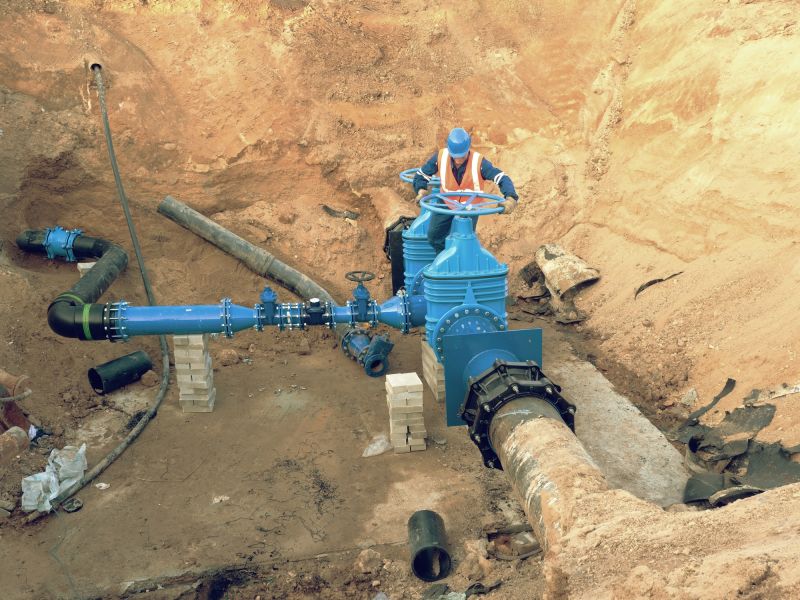
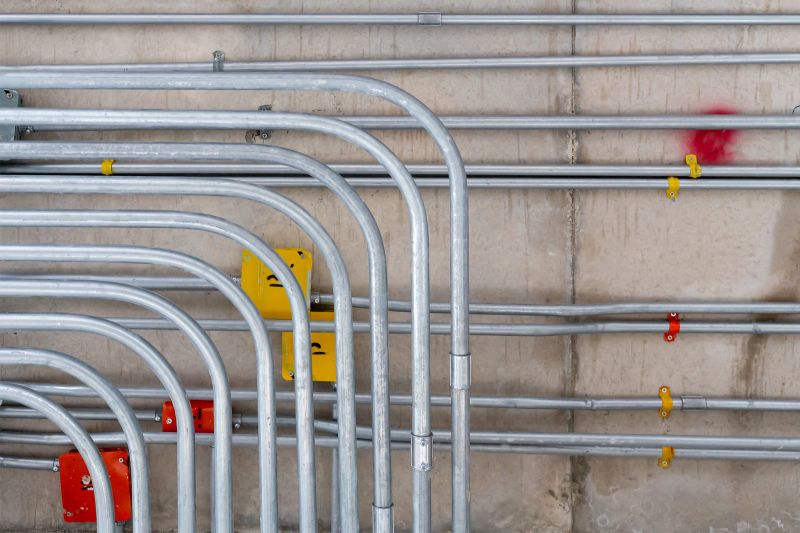
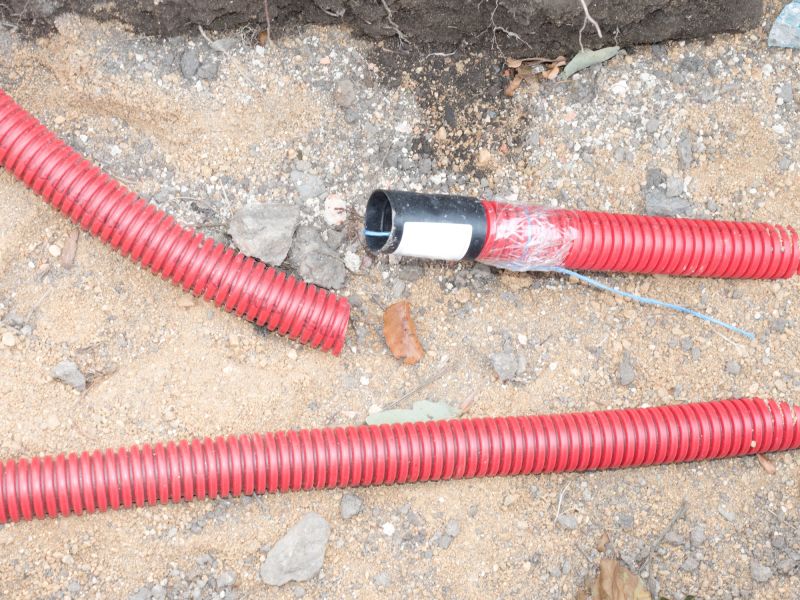
Conduit installation services involve setting up the essential pathways that carry electrical wiring throughout a property. This process includes selecting appropriate conduit types, measuring and cutting materials, and securely installing the conduits in walls, ceilings, or underground. Proper installation ensures that electrical systems are organized, protected from damage, and compliant with safety standards. Homeowners may need conduit installation when building new homes, remodeling existing spaces, or upgrading outdated electrical systems to improve safety and functionality.
This service helps address common electrical problems such as exposed wiring, damaged conduits, or inadequate protection for electrical cables. Faulty or deteriorated conduits can lead to electrical shorts, fire hazards, or system failures. Installing new conduits or replacing old ones can prevent these issues by providing a secure and durable pathway for electrical wiring. Additionally, conduit installation can facilitate future upgrades or expansions to electrical systems, making maintenance and troubleshooting more straightforward.
Properties that typically require conduit installation include new residential homes, commercial buildings, and renovation projects where existing wiring needs to be upgraded or rerouted. Homes with outdated electrical infrastructure often benefit from conduit upgrades to meet current safety standards. Commercial properties, especially those with complex or extensive wiring needs, rely on conduits to organize and protect electrical systems efficiently. Whether for interior or exterior applications, conduit installation is a practical solution for ensuring electrical safety and reliability across various property types.
When electrical wiring needs to be concealed, protected from environmental elements, or organized for easier access, conduit installation becomes an essential step. Homeowners facing issues like exposed wires, frequent electrical faults, or planning new construction or renovations may find this service helpful. Local contractors who specialize in conduit installation can assess the specific needs of a property, recommend suitable conduit types, and ensure the work is completed to promote long-term electrical safety and system integrity. Contacting experienced service providers can help determine the best approach for each property’s unique electrical requirements.
The overview below groups typical Conduit Installation projects into broad ranges so you can see how smaller, mid-sized, and larger jobs often compare in your area.
In many markets, a large share of routine jobs stays in the lower and middle ranges, while only a smaller percentage of projects moves into the highest bands when the work is more complex or site conditions are harder than average.
Smaller Repairs - Typical costs for routine conduit installation or repair jobs range from $250 to $600. Many small projects fall within this range, covering tasks like replacing a section of conduit or fixing minor damage.
Standard Installation - For new conduit installation or more extensive repairs, local contractors often charge between $1,000 and $3,000. Larger, more complex projects can sometimes reach $4,000 or more, but most projects fall into the middle of this range.
Full Replacement - Complete conduit system replacements or significant upgrades typically cost between $5,000 and $10,000. These projects are less common but can be necessary for older or heavily damaged systems.
Complex or Custom Projects - Highly customized or large-scale conduit installations, such as for commercial buildings, can exceed $15,000. Such projects are less frequent and depend heavily on scope and site conditions.
Actual totals will depend on details like access to the work area, the scope of the project, and the materials selected, so use these as general starting points rather than exact figures.
Electrical Wiring Projects - electricians installing complex wiring systems for residential or commercial buildings share skills with conduit installation, including planning and routing electrical pathways.
Data and Network Cable Installation - technicians running data cables and network wiring require similar planning, threading, and safety considerations as conduit installation for communication systems.
Lighting Fixture Installation - installing lighting fixtures often involves working with electrical conduits to ensure safe and code-compliant wiring paths.
Security System Wiring - setting up security cameras and alarm systems involves running wiring through walls and ceilings, requiring similar conduit routing and planning skills.
HVAC Control Wiring - connecting HVAC control systems involves installing wiring pathways that often utilize conduit, requiring careful planning and installation expertise.
Industrial Cable Management - organizing and installing large-scale cable runs in industrial settings involves conduit planning and installation skills comparable to residential conduit projects.
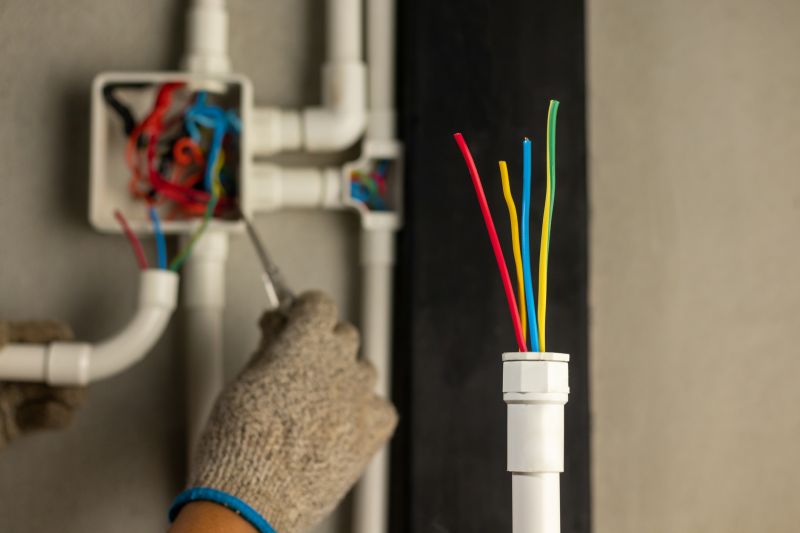
When evaluating potential service providers for conduit installation, it’s important to consider their experience with similar projects. Homeowners should inquire about how long a contractor has been working on conduit or electrical infrastructure, and whether they have handled projects of comparable size and complexity. A contractor with a proven track record in conduit installation is more likely to understand the nuances of the work and deliver a result that meets expectations. Ensuring that a local contractor has relevant experience can help reduce the risk of issues arising during or after the project.
Clear written expectations are essential when choosing a conduit installation professional. Homeowners should seek providers who can offer detailed proposals or written estimates that outline the scope of work, materials to be used, and any specific responsibilities. Having these expectations documented helps ensure everyone is on the same page and can serve as a reference throughout the project. It’s also beneficial to discuss the process for handling unforeseen issues or changes, which can help prevent misunderstandings and ensure a smoother experience.
Reputable references and good communication are key indicators of a reliable local contractor. Homeowners are encouraged to ask for references from previous clients who had similar work done and to follow up with those references about their experiences. Additionally, effective communication-such as prompt responses to questions and clarity about the project-is vital for a successful partnership. While the site introduces homeowners to local options, it’s ultimately up to the homeowner to connect with service providers who demonstrate professionalism, transparency, and a solid track record in conduit installation projects.
Property owners use Conduit Installation services for practical projects around their homes and businesses. This guide focuses on everyday jobs and straightforward project options.
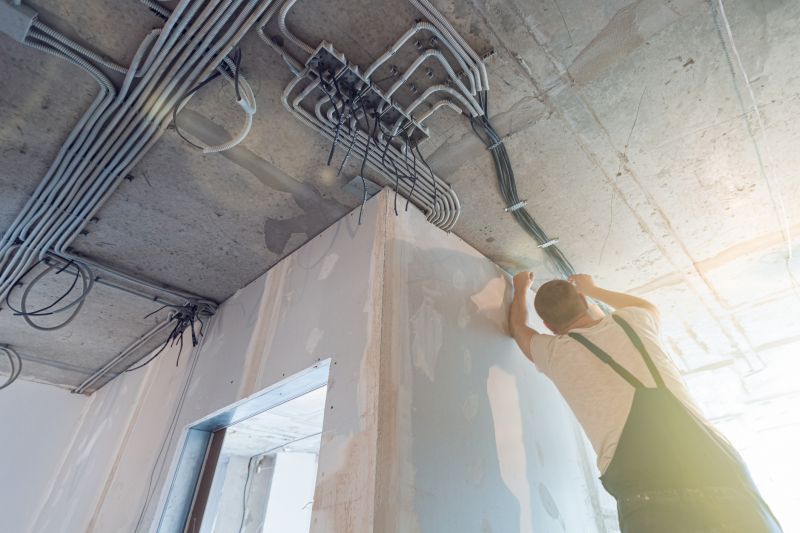
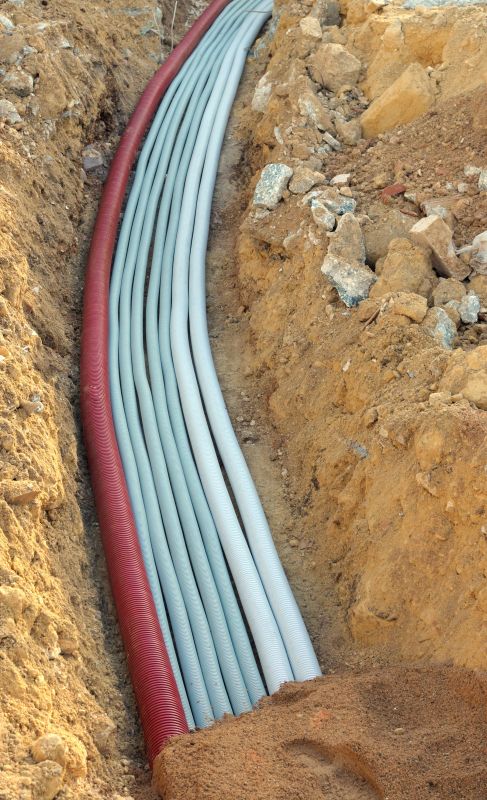
Conduit installation is a common project for property owners who are upgrading electrical systems, adding new outlets, or renovating existing spaces. Local contractors are often called upon when homeowners or business owners need to ensure their wiring is protected and organized, especially in areas where existing conduits are aging or damaged. Whether installing conduits for new construction or replacing outdated systems, property owners look for reliable service providers to handle these tasks efficiently and safely.
Many property owners seek conduit installation services to improve the safety and functionality of their electrical setups. Situations such as remodeling projects, expanding electrical capacity, or repairing damaged wiring often require the expertise of local service providers. These professionals can help ensure that conduits are properly installed to meet the specific needs of each property, providing peace of mind that the electrical infrastructure is secure and compliant with local standards.
What is conduit installation? Conduit installation involves setting up protective tubing systems to route electrical wiring safely through a building or property.
Why should I hire local contractors for conduit installation? Local contractors have experience with regional building codes and can provide tailored solutions for conduit setup in your area.
What types of conduit are commonly installed? Common types include metal conduit, PVC conduit, and flexible conduit, each suited for different applications and environments.
How do I find qualified service providers for conduit installation? You can compare local contractors through lead generation services that connect homeowners with experienced professionals nearby.
What factors influence the complexity of conduit installation? Factors include building type, wiring requirements, conduit material, and the layout of the electrical system.
Conduit Installation for New Property Builds - Property owners constructing new homes can work with local contractors to install conduit systems that support future electrical and communication needs.
Upgrading Existing Electrical Systems - Homeowners looking to enhance their electrical infrastructure can have conduit installed to facilitate safer and more organized wiring.
Adding Outdoor or Underground Conduits - Property owners planning outdoor lighting or underground wiring projects can utilize conduit installation services for durable and protected wiring pathways.
Retrofitting Older Buildings - Those updating older structures can hire local contractors to install conduit that meets current safety standards and improves system flexibility.
If you are thinking about Conduit Installation for a property, this guide is meant to help you understand the work, the typical project types, and how different options might fit your plans.
When you are ready, you can use the quote form on this page to share a few details about your project. From there, local pros can review the basics and respond with options that match what you have in mind.